Rivets turn a small attachment point into a visible part of the design. Buttonsguy carries decorative metal rivets in different face sizes, shapes and profiles for apparel, bags, footwear, leather goods and accessory projects. Because a rivet must look right from the front and work correctly through the material, the best choice is based on diameter, shape, attachment structure and material thickness together—not on motif or finish alone.
Choose the rivet by the job it needs to do
Some projects use a rivet mainly as a decorative accent, while others need it to reinforce or join a specific area. Start by identifying the finished location: pocket corner, strap detail, leather panel, footwear component or decorative garment surface. Then compare the exact dimensions shown on the product page with the available space and the thickness of the material stack.
What should you compare before ordering?
- Face size: Small and large rivets create very different visual weight. Check the millimeter dimensions rather than relying on the product photo alone.
- Shape and profile: Round, geometric, cone-shaped, patterned and sculpted faces require different placement space and can change the character of the finished product.
- Attachment structure: The back or mating component must suit the rivet model and the material thickness. Do not assume visually similar rivets share the same attachment parts.
- Material stack: Test the rivet through the actual layers used in the product, including reinforcement when present.
- Application tooling: When a setting die is required, verify the exact rivet-to-die match before a production run.
Use a sample to confirm both appearance and hold
A good rivet sample should be checked from the front, back and side. The face should sit at the intended angle, the material should not be crushed or distorted, and the back attachment should be secure without unnecessary play. If the rivet is placed close to an edge or seam, test that exact position because edge distance can change the way the material behaves during setting.
If the project also uses openings for cords, laces or straps, compare our eyelets and grommets separately. Eyelets frame an opening, while rivets are selected for attachment, reinforcement or decoration. Keeping those functions separate helps prevent an attractive but technically wrong hardware choice.
Build a repeatable hardware specification
Once a sample is approved, record the Buttonsguy product code, exact face dimensions, chosen finish and the setting method used in the approved sample. That gives sourcing and production teams a much clearer repeat-order reference than a generic request such as “small metal rivet.” If you are matching an existing product, send the current rivet dimensions and photos of both front and back when asking for assistance.
Frequently asked questions
How do I choose the correct rivet size?
Measure the available surface area and compare the exact face dimensions with the real product. Then confirm that the attachment structure works through the actual material thickness.
Can I use the same rivet on fabric and leather?
Not automatically. Material thickness and structure can change the required attachment and setting behavior, so test the real material first.
Are decorative rivets only for appearance?
Some are primarily decorative, but the exact function depends on the product construction. Do not assume a decorative-looking rivet provides structural reinforcement unless the application supports it.
Do rivets require a special die?
Some models require compatible setting tooling. Verify the product-to-die match before ordering the tool.
What information should I keep for repeat orders?
Keep the product code, dimensions, finish and the approved application method.



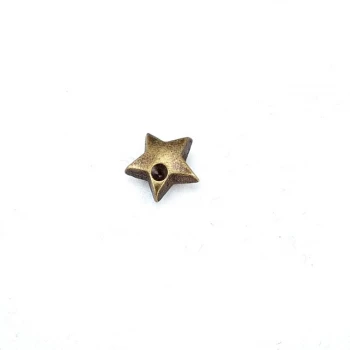
-2-350x350.webp "Rivet 7 mm Rhinetone Rivet Star Shape E 998")
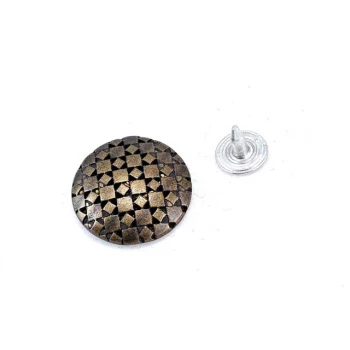
-2-350x350.webp "Rivet With Geometric Pattern 27 mm 16 L E 919")